
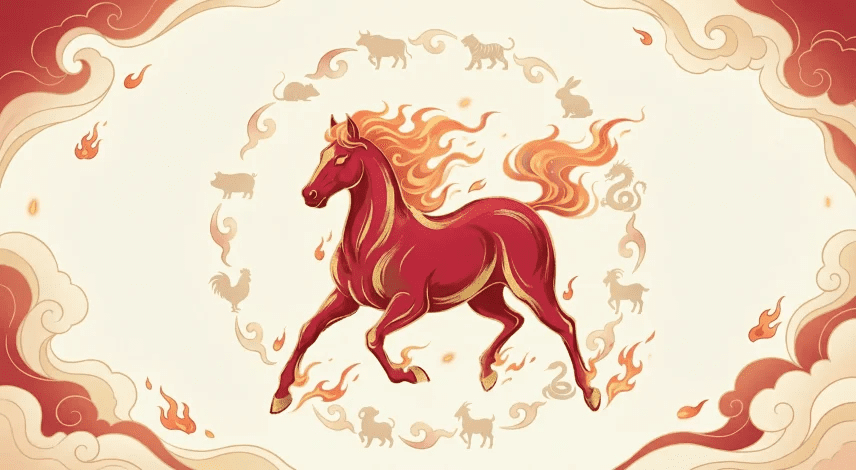
Chinese New Year 2026 falls on Tuesday, February 17, 2026, marking the beginning of the Year of the Fire Horse—a rare and powerful zodiac combination that appears only once every 60 years. Whether you’re planning major life decisions, honoring traditional customs, or simply exploring Lunar New Year traditions, this guide outlines the exact dates, lucky elements, and auspicious timing associated with the Fire Horse year.
Whether you have Chinese heritage or are participating for the first time, understanding the Lunar New Year calendar and its cultural significance helps you approach this global celebration with respect and intention. At Lucky&Bracelet, we’ve helped thousands of customers connect with spiritual traditions through authentic Buddhist and cultural jewelry—and we’re here to support you as the dynamic Fire Horse year unfolds.
From the reunion dinner on February 16 to the Lantern Festival on March 3, the 16-day Chinese New Year celebration period includes days traditionally considered lucky or unfavorable for weddings, business launches, major purchases, and important contracts. Below is everything you need to know to navigate Chinese New Year 2026 with confidence.
When is Chinese New Year 2026? Complete dates and celebration timeline
Chinese New Year 2026 begins on Tuesday, February 17, 2026, with celebrations spanning 16 days until the Lantern Festival on Tuesday, March 3, 2026. Unlike the fixed January 1 date of the Western New Year, Chinese New Year follows the lunisolar calendar, falling on the second new moon after the winter solstice—which is why the date shifts each year between mid-January and mid-February.
The celebration officially kicks off on New Year’s Eve, Monday, February 16, 2026, when families gather for the reunion dinner (团圆饭), the most important meal of the year. In mainland China, the public holiday runs from February 15-23, 2026 (8 days), though traditional observances continue through the full 15-day period.
15-Day Chinese New Year 2026 Calendar
| Day | Date (2026) | Traditional Name | Key Activities & Significance |
|---|---|---|---|
| Eve | 02/16 (Mon) | Chúxì (除夕) | Reunion dinner, red envelopes prepared, stay up late to “welcome the year” |
| Day 1 | 02/17 (Tue) | New Year’s Day | Wear new red clothes, visit elders, give red envelopes, NO cleaning or sweeping |
| Day 2 | 02/18 (Wed) | Son-in-Law Day | Married daughters visit parents with gifts |
| Day 3 | 02/19 (Thu) | Red Dog Day (赤口) | Stay home, avoid visits (believed to bring arguments), quiet family time |
| Day 4 | 02/20 (Fri) | Welcome the Gods | Gods return from heaven, offerings and prayers |
| Day 5 | 02/21 (Sat) | Po Wu (破五) – Fortune God’s Birthday | Businesses traditionally reopen, financial fresh start, eat dumplings |
| Day 6 | 02/22 (Sun) | Horse Day | Send away poverty, start normal activities |
| Day 7 | 02/23 (Mon) | Human’s Day (人日) | Everyone’s “birthday,” eat longevity noodles, good day for new beginnings |
| Day 8 | 02/24 (Tue) | Grain’s Birthday | Respect for harvest, offerings to sky |
| Day 9 | 02/25 (Wed) | Jade Emperor’s Birthday | Taoist ceremonies, prayers to heaven |
| Day 10-14 | 02/26-03/02 | Preparation Days | Prepare lanterns, invite friends and family for Lantern Festival |
| Day 15 | 03/03 (Tue) | Lantern Festival (元宵节) | Light lanterns, eat tangyuan (sweet rice balls), riddle games, official end of New Year celebrations |
💡 Planning Tip: If you’re attending Chinatown celebrations in the United States, major parades typically happen on the weekend closest to New Year’s Day. In 2026, expect San Francisco’s famous parade on Saturday, February 21 or 28, and New York City’s firecracker ceremony and parade around the same timeframe.
2026 Is the Year of the Fire Horse — Here’s What Makes It Special
2026 is the Year of the Fire Horse (丙午年, Bǐng Wǔ), a rare zodiac–element combination that appears only once every 60 years. The previous Fire Horse year was 1966, and the next will not arrive until 2086, making 2026 particularly significant in Chinese astrology. Traditionally, the Fire Horse year is believed to bring heightened energy, ambition, and strong transformative momentum.
In the Chinese zodiac system, each year is governed by one of 12 zodiac animals (Rat, Ox, Tiger, Rabbit, Dragon, Snake, Horse, Goat, Monkey, Rooster, Dog, Pig) combined with one of the five elements (Wood, Fire, Earth, Metal, Water). The Horse, the seventh animal in the cycle, symbolizes freedom, strength, and forward movement. When paired with the Fire element, which represents passion, action, and dominant Yang energy, the result is a year known for intensity, decisiveness, and rapid change.
What the Fire Horse Year Means for 2026
In traditional Chinese astrology, the Fire Horse personality is associated with boldness, independence, and an unstoppable drive. The year is commonly linked to the following themes:
- Ambitious pursuits – A favorable time for career advancement, entrepreneurship, and decisive action
- High energy and momentum – Expect a fast-paced year with sudden opportunities and shifts
- Passionate relationships – Strong emotions and intense personal connections
- Independence and self-direction – Breaking free from limitations and charting a new path
Fire Horse Year Warning: Ben Ming Nian (本命年)
Those born in a Horse year (1954, 1966, 1978, 1990, 2002, 2014) will experience Ben Ming Nian (本命年) in 2026, meaning it is their zodiac year. In Chinese tradition, this period is considered spiritually sensitive and may bring greater fluctuations or unexpected challenges.
To help balance this energy, it is customary to wear red items throughout the year—such as red string bracelets, red accessories, or protective amulets—to ward off negative influences and strengthen personal fortune.
🔮 Cultural Insight
At Lucky&Bracelet, we’ve noticed that during Fire Horse years, many people naturally seek grounding and protective symbols—not out of superstition, but as a way to stay centered amid rapid change. For many, these traditions serve as daily reminders of intention, stability, and resilience.orn in Horse years often seek protective Buddhist jewelry during their Ben Ming Nian. Red coral bracelets and Tibetan protection amulets are traditionally worn year-round, not just during the festival period.
Which Zodiac Signs Are Lucky in 2026?
According to traditional compatibility charts, the most favorable zodiac signs for the Fire Horse year are:
- Tiger (寅) — Natural allies, excellent business and friendship compatibility
- Dog (戌) — Harmonious relationships, mutual support
- Sheep/Goat (未) — Creative collaborations flourish
The challenging signs include:
- Horse (午) — Ben Ming Nian requires extra caution and protection
- Rat (子) — Direct clash, potential conflicts in career and relationships
Embrace the Fire Horse’s Bold Energy
Our handcrafted Tibetan pieces feature traditional red elements and blessing symbols, including a red string Pixiu bracelet, inspired by principles outlined in our 2026 feng shui bracelet guide
Lucky colors, numbers, and directions for Chinese New Year 2026
The luckiest colors for Chinese New Year 2026 are red (prosperity and Fire element alignment), gold (wealth and abundance), yellow (stability and Earth element balance), and emerald green (growth and renewal). Wearing, decorating with, and giving gifts in these auspicious hues is believed to enhance fortune throughout the Fire Horse year.
Lucky Colors and Their Meanings
| Color | Symbolism | How to Use |
|---|---|---|
| Red (红色) | Prosperity, joy, Fire element, warding off evil | Wear on Day 1, home decorations, envelopes, jewelry |
| Gold/Golden (金色) | Wealth, success, imperial luxury | Jewelry, decorative accents, gift wrapping |
| Yellow (黄色) | Stability, Earth element (balances Fire), royalty | Clothing, flowers, home textiles |
| Emerald Green (绿色) | Growth, harmony, renewal, Wood element | Plants, jade jewelry, decorative items |
Lucky Numbers and Unlucky Numbers
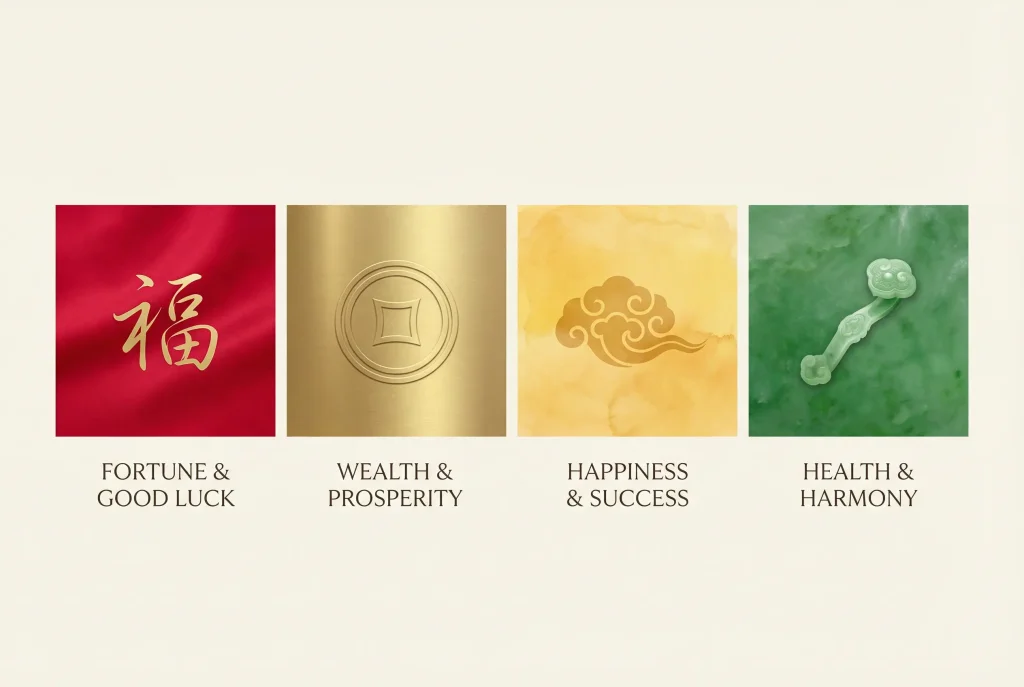
The lucky numbers for 2026 are 2, 3, and 7. Use these numbers when deciding red envelope amounts (e.g., $23, $27, $73, $200), choosing dates for important activities, or making significant purchases. Lucky combinations include 23, 27, 37, and 72.
Avoid the number 4 (四, sì), which sounds like “death” (死, sǐ) in Chinese. Skip fourth floors, license plates with multiple 4s, and amounts like $40 or $400.
Lucky Directions for 2026
According to feng shui calculations for the Fire Horse year, the most auspicious directions are South, Southwest, and Northeast. When making important decisions, signing contracts, or starting new ventures, consider facing these directions. Avoid major renovations or construction in the North and West during 2026.
What to Avoid: Wearing all-black or all-white clothing on New Year’s Day (these colors are associated with funerals in Chinese culture). While white accents are acceptable, choose predominantly red, gold, or bright colors for Day 1. Similarly, avoid gifting clocks, scissors, or pears—all symbols of separation or bad luck.
Wear Your Fortune in 2026
Embrace the year’s lucky colors with authentic Buddhist jewelry in auspicious red coral, golden vermeil, and natural jade. Each piece is handcrafted and blessed for spiritual protection.Shop Lucky Color Jewelry →
Auspicious dates for major decisions in 2026
According to traditional Chinese almanac (Tong Shu) principles, certain days during and after Chinese New Year 2026 are ideal for launching new ventures, signing contracts, and making major purchases—while others should be avoided entirely. Understanding this timing can help you align important life decisions with auspicious energy.
Best Days for Major Life Decisions
| Activity | Best Dates in 2026 | Avoid These Dates | Notes |
|---|---|---|---|
| Start new job or business | 02/21 (Day 5), 02/23 (Day 7), after 03/03 | 02/17-02/20, 02/19 especially | Day 5 is when Fortune God arrives; businesses traditionally reopen |
| Sign contracts | 02/23 onward, 03/05-03/10 | 02/19 (Red Dog Day) | Avoid signing anything on Day 3; arguments are predicted |
| Major purchases (home, car) | 02/21 onward | 02/17-02/20 | Wait until after Day 5 for financial decisions |
| Job interviews | After 03/03 (post-festival) | 02/17-03/02 | Employers and HR typically unavailable during festival period |
| Moving house | 03/05 onward | Entire festival period (02/17-03/03) | Moving during New Year is believed to “sweep away” good fortune |
| Surgery (elective) | After 03/10 | 02/17-03/09 | Hospitals often short-staffed; avoid sharp objects symbolism during festival |
The Critical Days to Know
February 21, 2026 (Day 5) — Po Wu (破五) is the single most auspicious day to start work-related activities. This is when the Fortune God’s birthday is celebrated, and Chinese businesses traditionally reopen after the holiday break. If you’re launching a business, starting a new job, or making your first sale of the year, this is the ideal date.
February 19, 2026 (Day 3) — Red Dog Day is the most unlucky day for social interactions. Traditional wisdom says arguments and conflicts are highly likely, so avoid:
- Visiting friends or family (even if invited)
- Important meetings or negotiations
- Making marriage proposals
- Signing any agreements
Instead, use this day for quiet reflection, organizing your home, or spending time with your immediate household.
February 23, 2026 (Day 7) — Human’s Day celebrates humanity’s creation in Chinese mythology. It’s considered everyone’s collective birthday and an excellent day for personal new beginnings, self-improvement commitments, and setting intentions for the year ahead.
📋 Real-World Timing: Based on our experience at Lucky&Bracelet, customers often ask about timing for major purchases like engagement rings or spiritual items. We’ve observed that orders placed after Day 5 (02/21/2026) feel more intentional, while those made during Days 1-4 often get reconsidered. There’s something to the traditional wisdom about waiting for the Fortune God’s arrival.
General Decision-Making Framework for 2026
- Days 1-4 (02/17-02/20): Focus exclusively on family, rest, and celebration. Avoid all business decisions.
- Day 5-15 (02/21-03/03): Gradually resume normal activities, starting with the most important.
- After Lantern Festival (03/03+): Full return to regular decision-making and business operations.
Remember that these traditional guidelines are based on Chinese cultural astrology and almanac calculations. While many people find value in aligning major decisions with auspicious timing, the most important factor is always your personal readiness and practical circumstances.
Chinese New Year traditions and taboos every celebration needs
Chinese New Year celebrations follow cherished traditions passed down for millennia—along with a surprisingly detailed list of taboos that, according to traditional belief, can either welcome prosperity or accidentally invite bad luck for the entire year ahead.
Essential Chinese New Year Traditions (What to Do)
1. The Reunion Dinner (团圆饭) — February 16, 2026
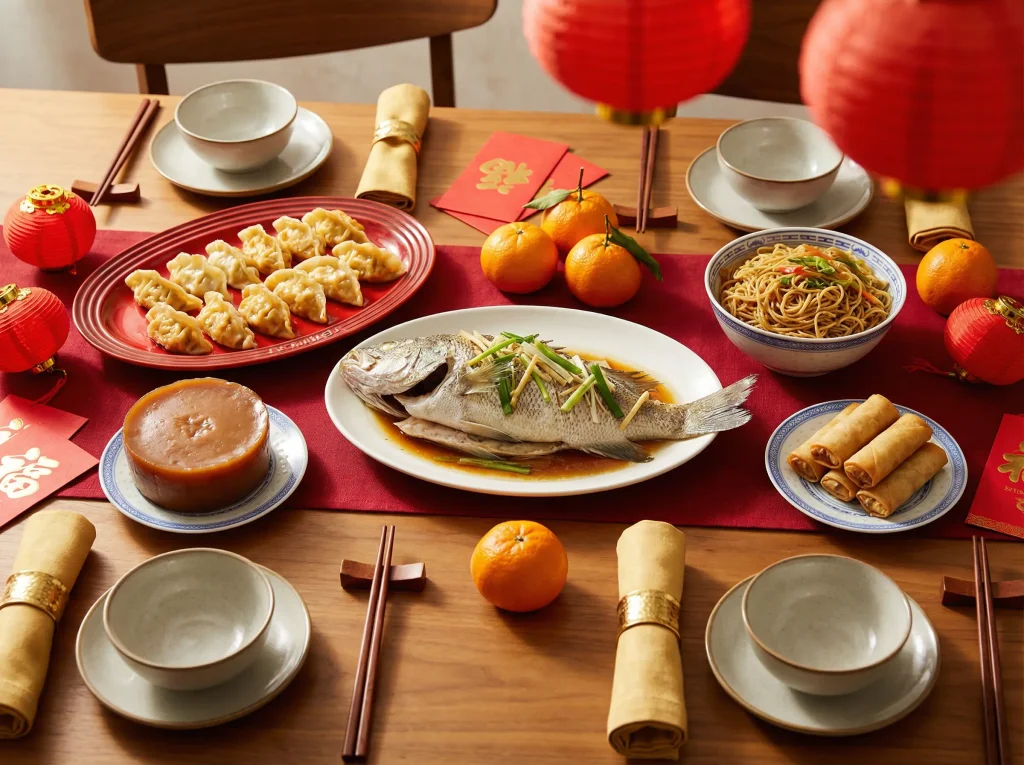
The most important meal of the year takes place on Chinese New Year’s Eve. Families often travel long distances to reunite around one table. Traditional dishes include whole fish (symbolizing abundance), dumplings (shaped like ancient gold ingots), and nian gao (sticky rice cake meaning “rising higher year after year”).
2. Spring Cleaning — Before February 17
Thoroughly clean your home before New Year’s Day to clear away the old year’s bad luck and make space for incoming good fortune. Once the festival begins, avoid sweeping or cleaning until at least Day 5.
3. Wear New Red Clothing — Day 1
New clothes represent fresh beginnings, while red symbolizes luck and protection. Children and unmarried adults traditionally receive new outfits, but even wearing a single new red item is considered auspicious.
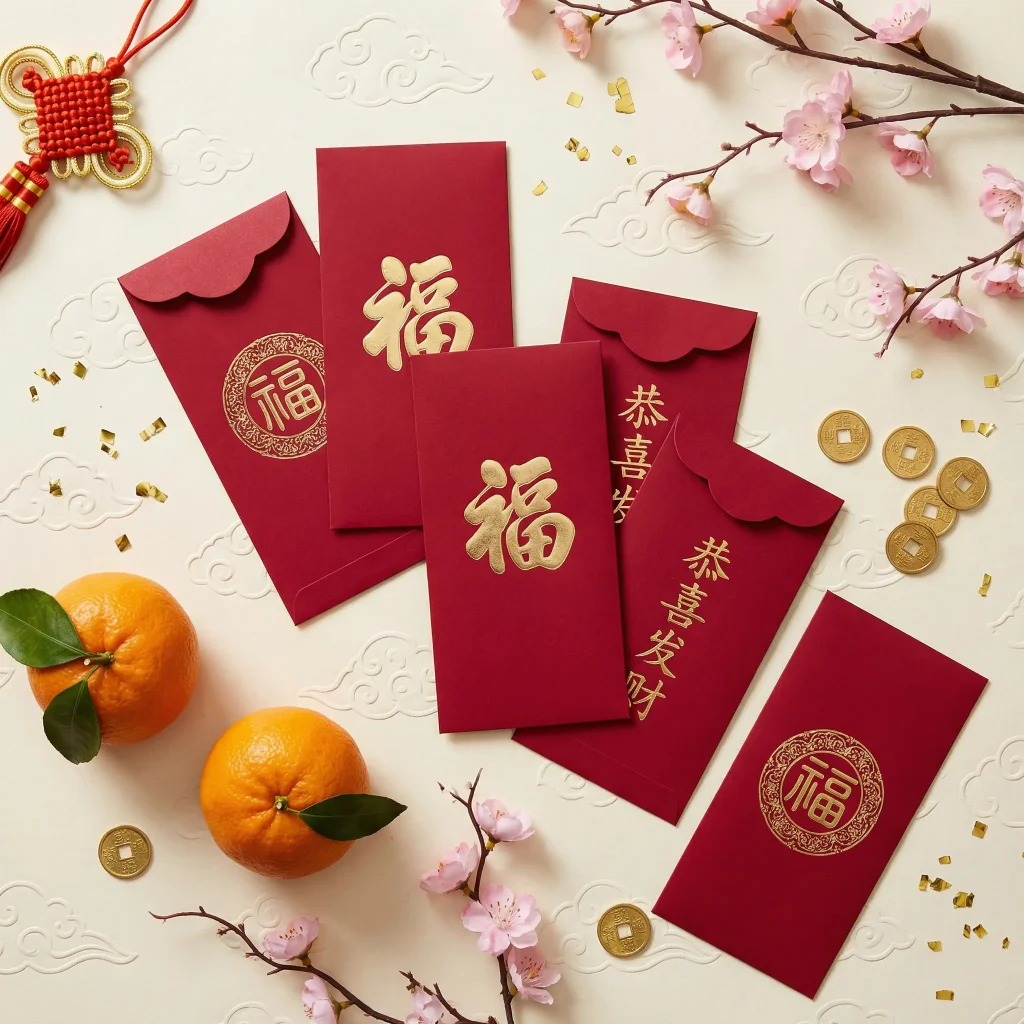
4. Give Red Envelopes (红包 Hóngbāo)
Elders give red envelopes filled with cash to children and unmarried family members. Use crisp new bills in lucky amounts such as $20, $30, $70, or $200, and avoid amounts containing the number 4. The red envelope itself carries the blessing—its meaning matters more than the amount inside.
5. Pay Respects to Elders — Days 1–2
Visit parents and grandparents early on Day 1 (or Day 2 for married daughters). Bring small gifts such as fruit baskets, tea, or sweets, and offer traditional greetings like “恭喜发财” (Gong Xi Fa Cai — wishing you prosperity) or “新年快乐” (Xin Nian Kuai Le — Happy New Year).
6. Firecrackers at Midnight
Firecrackers are traditionally used to scare away evil spirits and bad luck at the start of the new year. In areas where fireworks are restricted, community displays or party poppers are common alternatives.
Critical Taboos (What NOT to Do)
| Taboo | Reason | Duration |
|---|---|---|
| ❌ No sweeping or cleaning | Sweeps away good luck and wealth | Day 1, ideally through Day 5 |
| ❌ No washing hair | Washes away good fortune | Day 1 |
| ❌ No using scissors, knives, or needles | Cuts away wealth and family ties | Day 1, ideally Days 1-5 |
| ❌ No saying negative words | Speaking of death, illness, poverty, or ghosts invites them | All 15 days |
| ❌ No breaking dishes or glasses | Shatters good fortune (if it happens, wrap in red paper and say “岁岁平安” suì suì píng ān — peace year after year) | All 15 days |
| ❌ No wearing all-black or all-white | Funeral and mourning colors | Day 1 especially |
| ❌ No visiting others on Day 3 | Red Dog Day — brings arguments | February 19 only |
| ❌ No lending or borrowing money | Lend = your luck flows out; Borrow = you start year in debt | Days 1-5 |
| ❌ No crying or scolding children | Sets tone for a sad year | Day 1 especially |
If Something Goes Wrong: Accidents happen. If you break a dish during the festival, don’t panic. Immediately wrap the pieces in red paper or cloth, say “岁岁平安” (suì suì píng ān — may you have peace year after year) aloud three times, and keep the wrapped pieces until after Day 5 before discarding. This ritual is believed to transform the bad omen into a blessing.
Lucky Foods to Eat
- Fish (鱼 Yú): Sounds like “surplus/abundance” — serve whole, save some for later to ensure lasting wealth
- Dumplings (饺子 Jiǎozi): Shaped like ancient gold ingots
- Nian Gao (年糕): Sticky rice cake meaning “taller/better every year”
- Longevity Noodles (长寿面): Eaten on Day 7 without cutting them — long life
- Tangyuan (汤圆): Sweet rice balls on Lantern Festival (Day 15) — family unity
- Spring Rolls (春卷): Shaped like gold bars
- Mandarin Oranges (橘子): Sound like “luck” and “wealth” in Chinese dialects
How to celebrate Chinese New Year 2026 in the United States
Whether you have Chinese heritage or simply want to join the world’s largest annual celebration, Chinese New Year 2026 offers meaningful ways to participate across the United States. Here’s how to celebrate respectfully and joyfully, no matter your background.
Major Chinatown Celebrations Across America
San Francisco, California
The largest Chinese New Year parade outside Asia features elaborate floats, the famous 288-foot Golden Dragon, firecrackers, and cultural performances. The parade typically happens the Saturday following New Year’s Day — expect it on February 21 or 28, 2026. The Chinatown district also hosts a flower fair and community street festival.
New York City, New York
Manhattan’s Chinatown celebrates with a firecracker ceremony on Day 1, followed by weekend parades in both Manhattan (Mott Street) and Flushing, Queens. The Lunar New Year Parade on February 22, 2026 (tentative) showcases dragon and lion dances, marching bands, and cultural groups.
Los Angeles, California
The Golden Dragon Parade through Chinatown (North Broadway) is one of California’s oldest Chinese New Year celebrations, dating back to the 1800s. Expect cultural performances, food vendors, and family activities throughout the weekend of February 21-22.
Chicago, Illinois
Chinatown on the South Side hosts festivities including the traditional Lunar New Year Parade with lion dancers, martial arts demonstrations, and community performances. Check the Chicago Chinatown Chamber of Commerce for 2026 exact dates.
Seattle, Washington
The Chinatown-International District celebrates with cultural performances, dumpling-making workshops, and a community banquet. The celebration often extends through late February.
Houston, Texas
Houston’s large Chinese community hosts events at the Chinese Community Center and Asia Society Texas Center, including traditional performances, calligraphy demonstrations, and family activities.
How to Participate Respectfully (For Everyone)
You don’t need Chinese heritage to appreciate and participate in Lunar New Year celebrations. Here’s how to engage respectfully:
1. Learn Basic Greetings
- “恭喜发财” (Gong Xi Fa Cai) — “Wishing you prosperity” [gong-see fah-tsai]
- “新年快乐” (Xin Nian Kuai Le) — “Happy New Year” [shin nyen kwai luh]
2. Wear Red or Gold
You don’t need traditional Chinese clothing—just wear something red or gold to show respect for the symbolism and join the festive atmosphere.
3. Try Traditional Foods
Visit Chinese restaurants or bakeries during the festival period to try lucky foods like dumplings, nian gao, or tangyuan. Many establishments offer special New Year menus.
4. Give Thoughtful Gifts
If invited to a celebration, bring mandarin oranges (always in even numbers, like 6 or 8), quality tea, or sweets. Avoid clocks, scissors, white flowers, or items in sets of four.
5. Attend Public Events
Chinatown parades and cultural festivals welcome everyone. Be respectful, don’t block performers, and enjoy the communal celebration.
Workplace and School Acknowledgment
If you’re an employer, teacher, or colleague:
- Recognize that Chinese New Year is as significant as Christmas to many Asian families
- Be flexible with time-off requests around February 17-23, 2026
- Display tasteful decorations (red lanterns, paper cuttings) in communal spaces
- Organize a potluck featuring lucky foods or watch a cultural documentary together
Creating Your Own Home Celebration
Even if you’re celebrating solo or with a small group, you can still honor Chinese New Year in a meaningful way:
- Clean your home before February 17 — Symbolizes clearing away old energy and welcoming a fresh start
- Decorate with red and gold — Use paper lanterns, banners with lucky characters, or fresh flowers to invite good fortune
- Prepare or order lucky foods — At minimum, include fish and dumplings for abundance and prosperity
- Wear something new and red on Day 1 — Even a small red accessory represents renewal and protection
- Watch the CCTV Spring Festival Gala — The world’s most-watched TV program, available online, and a modern Lunar New Year tradition
- Give small gifts or red envelopes — A thoughtful gesture for children, family, or close friends
- Set positive intentions — Reflect on goals and invite courage, momentum, and clarity for the Fire Horse year ahead
Welcome the Year of the Fire Horse with Meaning
Mark this powerful zodiac transition with intention and symbolism. Authentic spiritual jewelry from Lucky&Bracelet offers a meaningful way to honor the Year of the Fire Horse, whether for yourself or as a thoughtful gift.
Our handcrafted Tibetan Buddhist pieces are created by traditional artisans and feature time-honored symbols associated with prosperity, protection, and new beginnings. Explore our collection of authentic Tibetan bracelets—each mala, bracelet, and pendant is designed not just as an accessory, but as a quiet reminder of purpose, balance, and forward movement for the year ahead.
❓ Frequently Asked Questions (Chinese New Year 2026)
What is the exact date of Chinese New Year 2026?
Chinese New Year 2026 falls on Tuesday, February 17, 2026. Celebrations begin with New Year’s Eve and the reunion dinner on Monday, February 16, and continue for 16 days, ending with the Lantern Festival on Tuesday, March 3, 2026. Because the festival follows the lunar calendar, the date changes every year.
What animal year is 2026 in the Chinese zodiac?
2026 is the Year of the Fire Horse (丙午年, Bǐng Wǔ Nián). This rare zodiac–element combination appears only once every 60 years. The previous Fire Horse year was 1966, and the next will be 2086. In Chinese astrology, the Horse symbolizes energy, freedom, and ambition, while the Fire element adds passion, action, and transformative power.
What are the lucky colors and numbers for Chinese New Year 2026?
Lucky colors for 2026 include red (protection and prosperity), gold (wealth), yellow (stability), and emerald green (growth). Lucky numbers are 2, 3, and 7, as well as combinations such as 23, 27, and 72. These are commonly used when choosing red envelope amounts or auspicious dates. Avoid the number 4, which sounds like “death” in Chinese, and avoid wearing all-black or all-white outfits on New Year’s Day.
What should you NOT do during Chinese New Year?
Key taboos include avoiding sweeping or cleaning on Day 1 (believed to sweep away good luck), washing hair (washing away fortune), and using scissors or knives (cutting wealth and family harmony). Do not wear black or white, as they are associated with mourning, and avoid visiting others on Day 3 (Red Dog Day), which is linked to arguments. Throughout all 15 days, avoid negative words related to death, illness, or poverty. If a dish breaks accidentally, wrap it in red paper and say “岁岁平安” (suì suì píng ān — peace year after year) to neutralize the bad omen.
When is the best time to start a business or sign contracts in 2026?
The most auspicious day to reopen businesses or start new ventures is February 21, 2026 (Day 5), traditionally associated with the Birthday of the Fortune God. For signing contracts or making major purchases, it is best to wait until February 23 onward. Avoid major business decisions during the first four days (February 17–20) and especially avoid Day 3 (February 19), which is considered unfavorable for agreements and social interactions.
Final Thoughts: Make 2026 Your Most Auspicious Year Yet
Chinese New Year 2026 brings the rare energy of the Fire Horse—an opportunity that comes only once every 60 years to embrace bold ambitions, passionate pursuits, and transformative change. Whether you’re planning to launch a business on the auspicious Day 5, wearing protective red throughout your Ben Ming Nian, or simply gathering with loved ones for a reunion dinner, this ancient festival offers profound wisdom about fresh starts and intentional living.
From the reunion feast on February 16 through the Lantern Festival’s glowing finale on March 3, each of the 16 days carries its own traditions, taboos, and opportunities. By understanding the calendar, honoring the customs, and aligning major decisions with auspicious timing, you’re not just following superstition—you’re participating in a 4,000-year-old cultural practice that has helped billions of people welcome each new year with hope, gratitude, and joy.
May the Year of the Fire Horse bring you prosperity, protection, and the courage to gallop toward your dreams. 恭喜发财!
Note: The auspicious dates and zodiac guidance in this article are based on traditional Chinese astrology and cultural almanac (Tong Shu) principles, not medical or scientific claims. This information is intended for cultural education and personal interest. Always make important life decisions based on your personal circumstances and professional advice.
📚 References
Chinese Zodiac and Lunar Calendar Systems
Overview of the 12-animal Chinese zodiac cycle and the Five Elements (Wu Xing) theory used in traditional astrology.
Source: China Highlights — Chinese Zodiac Guide
Lunar New Year Cultural Traditions
Academic analysis of the historical development and cultural significance of Lunar New Year celebrations across East Asia.
Source: University of Sydney — Lunar New Year Cultural Studies
Chinese Almanac (Tong Shu) Principles
Traditional almanac framework used to determine auspicious and inauspicious dates for ceremonies, business, and daily life.
Source: Classical Chinese Astrology and Tong Shu Texts
Astronomical Basis of the Lunar Calendar
Scientific explanation of lunisolar calendar calculations, including new moon cycles and seasonal alignment.
Source: EarthSky — The Science Behind Lunar New Year Dates