
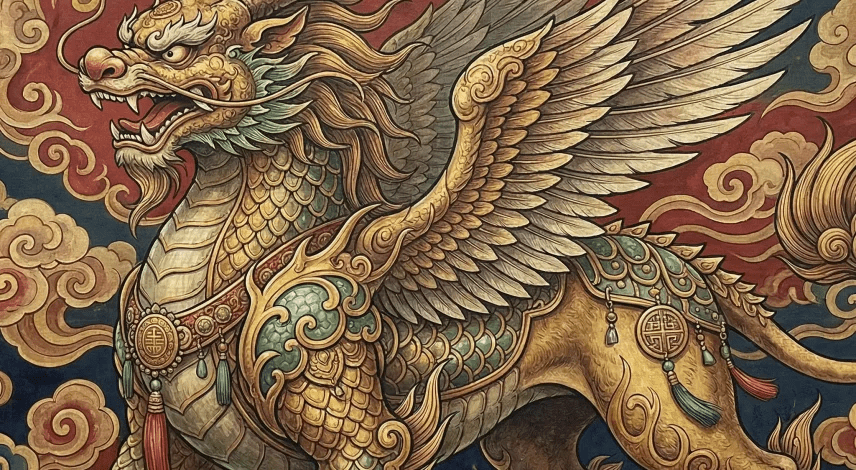
Pixiu and Pi Yao are not different creatures—they’re the same Chinese mythological wealth beast with different romanized spellings. “Pixiu” (píxiū) is standard Mandarin pinyin, while “Pi Yao” derives from Cantonese-influenced pronunciation common in Southeast Asian feng shui traditions. Both names refer to the dragon-headed, lion-bodied creature believed to attract and retain wealth.
If you’ve been searching for the “difference” between these two, you’re not alone. At Lucky&Bracelet, we’ve helped thousands of customers navigate this exact confusion when choosing their first feng shui jewelry. The truth is simpler than most articles suggest: you’re looking at the same powerful symbol, just spelled two different ways.
In this guide, you’ll discover why these names exist, what this legendary creature represents, and how to choose authentic Pixiu jewelry that aligns with your intentions.
Why “Pixiu” and “Pi Yao” Are Both Correct
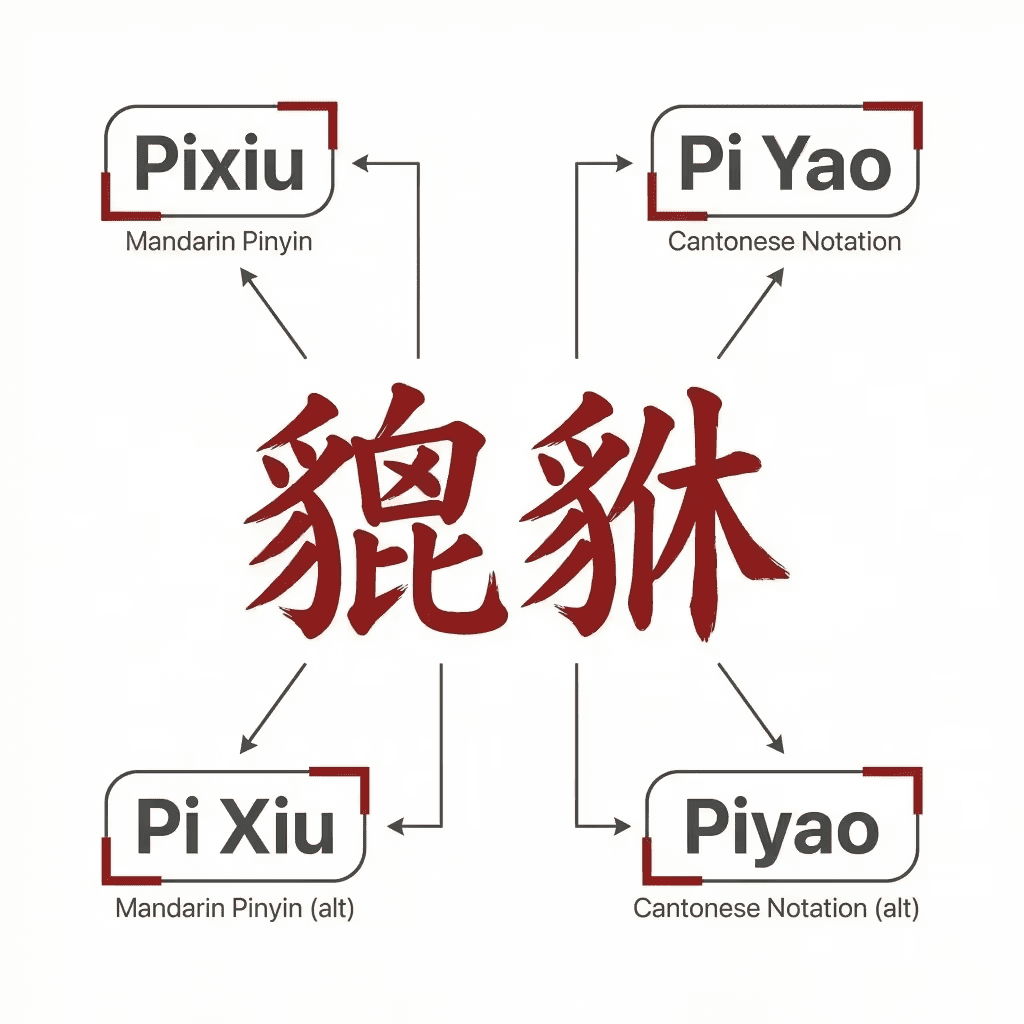
The confusion stems from how Chinese characters are converted into English letters—a process known as romanization.
The creature’s name in Chinese is written as 貔貅. When these characters are romanized into English, different linguistic systems and regional traditions result in several common spellings:
- Pixiu (píxiū) — Standard Mandarin pinyin used in mainland China, academic texts, and sources like Wikipedia
- Pi Yao — A Cantonese-influenced spelling widely used in Hong Kong, Singapore, Malaysia, and traditional feng shui retail markets
- Pi Xiu — An alternative spelling that separates the two pinyin syllables
- Piyao — A combined variant often seen in product listings and e-commerce platforms
Think of it like “color” versus “colour”—different spellings of the same word shaped by regional language conventions. There’s no wrong choice. The creature’s symbolism and perceived powers remain the same regardless of how its name is spelled.
💡 What we’ve noticed at Lucky&Bracelet:
Customers in North America tend to search for “Pixiu,” influenced by Mandarin-based and academic sources, while customers from Southeast Asian backgrounds more commonly use “Pi Yao,” reflecting Cantonese feng shui traditions. To make things easier for everyone, we use both terms so all audiences can find what they’re looking for.
Understanding this linguistic background helps you shop with greater confidence—you’re not choosing between different talismans, but encountering the same powerful symbol expressed through different cultural contexts.
Understanding the Pixiu / Pi Yao Creature
Now that we’ve clarified the name, what exactly is a Pixiu?
Physical Description and Origins
The Pixiu is a Chinese mythical hybrid creature, traditionally depicted with a dragon’s head, lion’s body, feathered wings, and a bifurcated tail. According to legend, it is the ninth son of the Dragon King, with origins tracing back more than 2,000 years to the Han Dynasty (206 BC – 220 AD).
Its most distinctive feature is its sealed anus. While this may sound like colorful folklore, it forms the foundation of Pixiu’s symbolism. Legend holds that the Jade Emperor punished the creature for misbehavior by sealing its digestive exit—allowing Pixiu to devour gold and jewels but never release them. This unique trait is why Pixiu is regarded as the ultimate symbol of wealth accumulation and retention.
Male vs Female Pixiu: Tiānlù and Bìxié
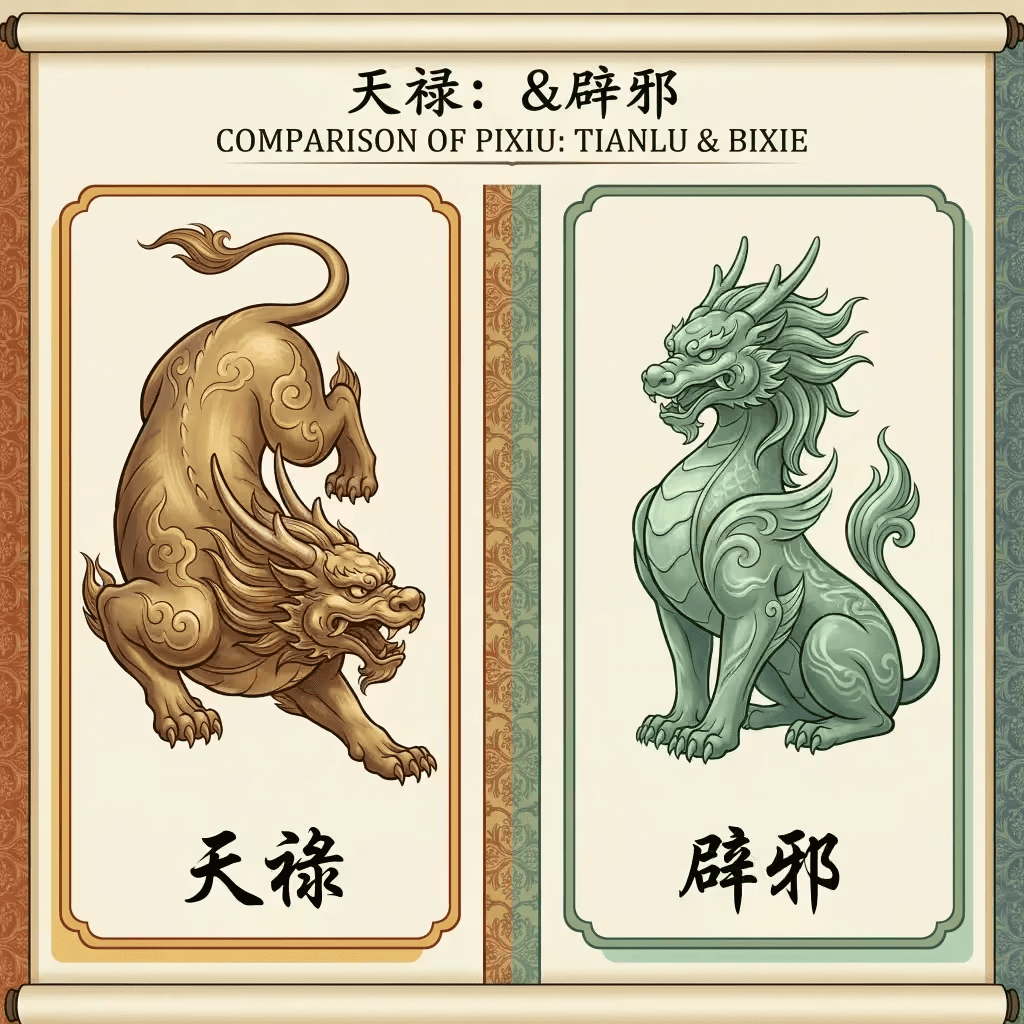
Traditional depictions recognize two genders, distinguished by their horns:
| Type | Chinese Name | Horns | Primary Function |
|---|---|---|---|
| Male Pixiu | Tiānlù (天祿) | Single horn | Attracts and hunts wealth |
| Female Pixiu | Bìxié (辟邪) | Two horns | Protects and guards accumulated riches |
In modern jewelry, most pieces blend both energies or feature a unisex design. When you wear a Pixiu bracelet, you’re typically benefiting from the combined symbolism of attraction and protection.
The Three Powers of Pixiu in Feng Shui
Pixiu is revered in feng shui practice for three primary functions:
- Wealth Attraction: Draws financial opportunities and windfall luck toward the wearer
- Wealth Retention: The sealed anus symbolism represents keeping money from “leaking away”
- Protection from Tai Sui: Appeases the Grand Duke Jupiter during astrologically challenging years
Many practitioners also believe Pixiu wards off negative energy and evil spirits, functioning as both a prosperity magnet and spiritual guardian.
Choosing Your Pixiu Jewelry: What You Need to Know
Who Should (and Shouldn’t) Wear Pixiu
Traditional feng shui guidelines suggest ages 16-70 are ideal for wearing Pixiu. Some practitioners also advise pregnant women to avoid it, as the creature’s strong energy might overwhelm sensitive periods.
However, at Lucky&Bracelet, we’ve observed that many modern practitioners view these as traditional guidelines rather than absolute rules. What matters most is your personal intention and comfort level. If you feel drawn to Pixiu’s symbolism and wear it with respect for the cultural tradition, that connection often matters more than strict age restrictions.
How to Wear Pixiu Properly
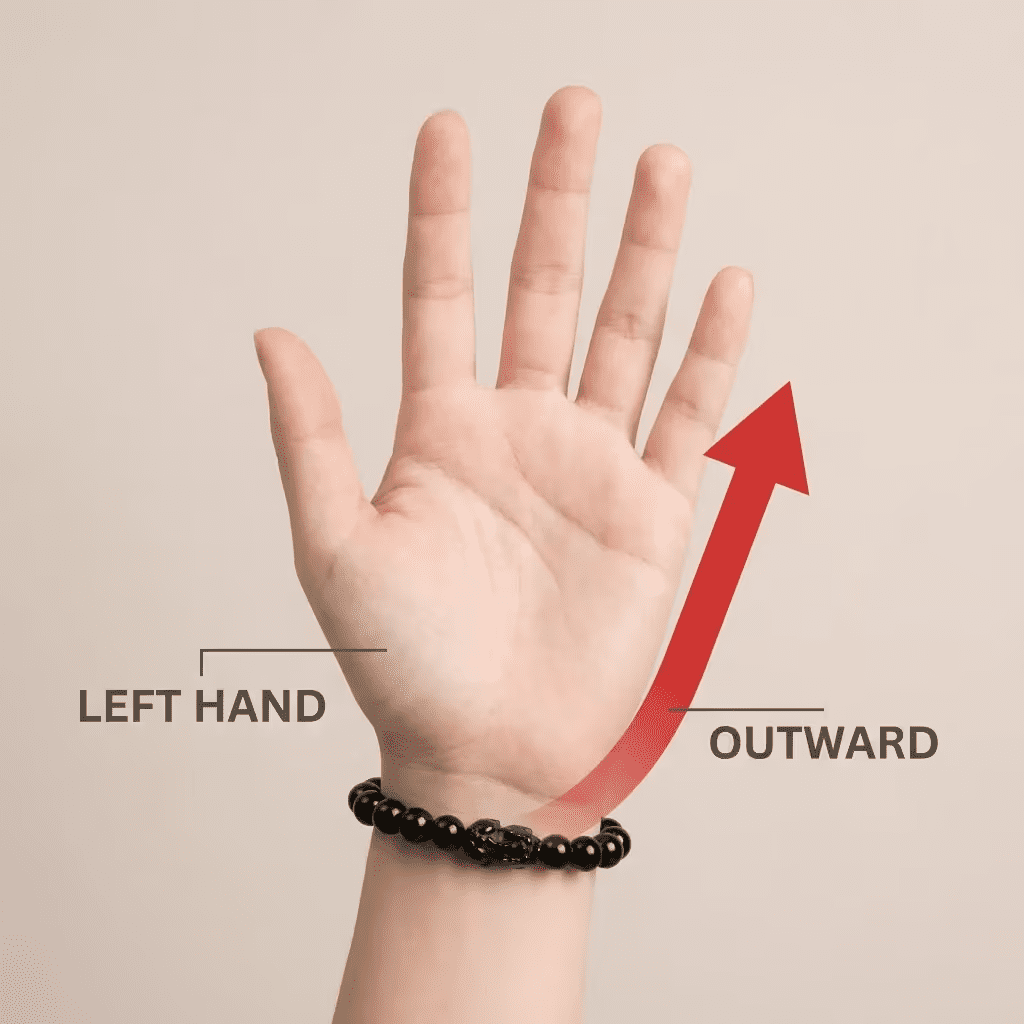
For Pixiu bracelets, traditional feng shui recommends:
- Wear on your left hand (considered the receiving side for energy)
- Position the Pixiu’s head facing outward toward your pinky finger (to draw wealth toward you)
- Touch your Pixiu regularly to maintain your energetic connection, but avoid letting others handle it
Authentic Materials to Look For
Quality Pixiu jewelry comes in various materials, each with traditional associations:
- Black Obsidian — Most popular for protection and grounding ($25-$80 USD)
- Jade — Traditional choice representing purity and longevity ($60-$300+ USD)
- 24K Gold — Ultimate wealth symbol for prosperity ($200-$1,000+ USD)
- Tiger’s Eye or Citrine — Amplifies wealth-attracting properties ($30-$120 USD)
When choosing your piece, look for detailed craftsmanship in the Pixiu’s facial features and body—authentic artisans pay careful attention to the dragon head, wings, and stance. If you’re drawn to handcrafted Tibetan and Chinese spiritual jewelry, Lucky&Bracelet offers pieces sourced from traditional workshops that honor the cultural heritage behind this powerful symbol.
Ready to invite prosperity into your life?
Explore our collection of authentic Pixiu jewelry, each piece carefully selected for quality craftsmanship and cultural integrity. From traditional obsidian bracelets to jade pendants, find the Pixiu that resonates with your intentions.Browse Pixiu Collection →
📋 Quick Reference: All the Names for Pixiu
Here’s a handy reference for every spelling variation you might encounter:
| Name Variant | Origin/Usage Context |
|---|---|
| Pixiu | Standard Mandarin pinyin (academic, mainland China) |
| Pi Yao | Cantonese-influenced (feng shui retail, Southeast Asia) |
| Pi Xiu | Separated pinyin spelling (alternative romanization) |
| Piyao | Combined variant (product listings, e-commerce) |
| Tiānlù (天祿) | Male type meaning “Heavenly Wealth” |
| Bìxié (辟邪) | Female type meaning “Ward Off Evil” |
Bottom line: All these names point to the same powerful creature. Choose whichever spelling feels most natural to you—the symbolism and energy remain constant.
❓ Frequently Asked Questions
Is Pixiu the same as Pi Yao?
Yes. Pixiu and Pi Yao refer to the same Chinese mythical creature (貔貅)—the difference lies only in romanization.
“Pixiu” comes from Mandarin pinyin, while “Pi Yao” reflects Cantonese pronunciation. There is no difference in symbolism, meaning, or traditional powers between the two names.
Which hand should I wear my Pixiu bracelet on?
According to traditional feng shui practice, a Pixiu bracelet is typically worn on the left hand, which is considered the receiving side for energy.
The Pixiu’s head should face outward, toward the pinky finger, symbolizing the attraction of wealth and positive opportunities.
How do I activate my Pixiu jewelry?
A common activation method includes three simple steps:
- Cleanse the Pixiu using sage smoke or moonlight for 3–5 minutes
- Touch and wear it regularly to establish a personal energetic connection
- Set a clear intention, such as wealth attraction, protection, or new opportunities
Consistency and mindful awareness are considered more important than any single ritual.
Final Thoughts
The “Pixiu vs Pi Yao” question isn’t about choosing between two different symbols—it’s about understanding that you’ve encountered the same ancient wealth guardian through different linguistic lenses. Whether you call it Pixiu, Pi Yao, or any other variant, you’re connecting with a 2,000-year-old tradition of prosperity, protection, and spiritual intention.
What matters most isn’t the spelling on the product listing, but the authenticity of the craftsmanship, the quality of the materials, and your personal connection to the symbolism. When you choose Pixiu jewelry with intention and wear it with respect for its cultural origins, you’re participating in a meaningful practice that has supported countless practitioners on their wealth and spiritual journeys.
At Lucky&Bracelet, we’re honored to help you find pieces that bridge ancient tradition with modern life. Whether you’re drawn to the protective energy of black obsidian or the prosperity symbolism of jade, authentic Pixiu jewelry can serve as a daily reminder of your intentions and aspirations.
📚 References
Pixiu Mythology and Symbolism
A comprehensive overview of the Pixiu creature’s origins in Han Dynasty mythology and its significance within traditional Chinese cultural beliefs.
Source: Wikipedia – Pixiu
Chinese Romanization Systems
An academic explanation of pinyin and other romanization systems used to transliterate Chinese characters into English across different linguistic contexts.
Source: Library of Congress – Chinese Language Resources
Feng Shui Principles and Symbolic Applications
Traditional feng shui interpretations of mythical creatures and their roles in wealth attraction, protection symbolism, and spatial harmonization practices.
Source: International Feng Shui Guild
(Readers may explore the organization’s website for additional educational materials.)